

Guides
From Our Farm to Yours
We believe in sharing what we know. These guides are drawn from our own experience raising heritage-breed poultry on our little homestead in Rockport, Maine. Whether you are just getting started or looking for a few helpful tips, we hope you find them useful.
Breed Guide
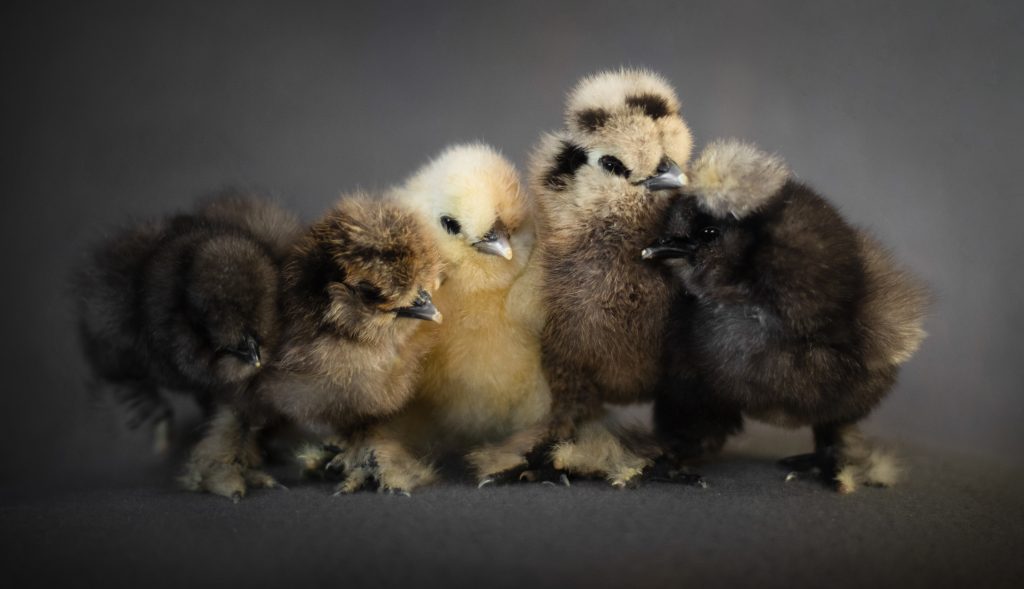
We raise over a dozen heritage and specialty breeds, each chosen for their temperament, egg colors, and ability to thrive in Maine. From the stunning all-black Ayam Cemani to the fluffy, lovable Silkie, every bird on our farm has a story.
Chick Care
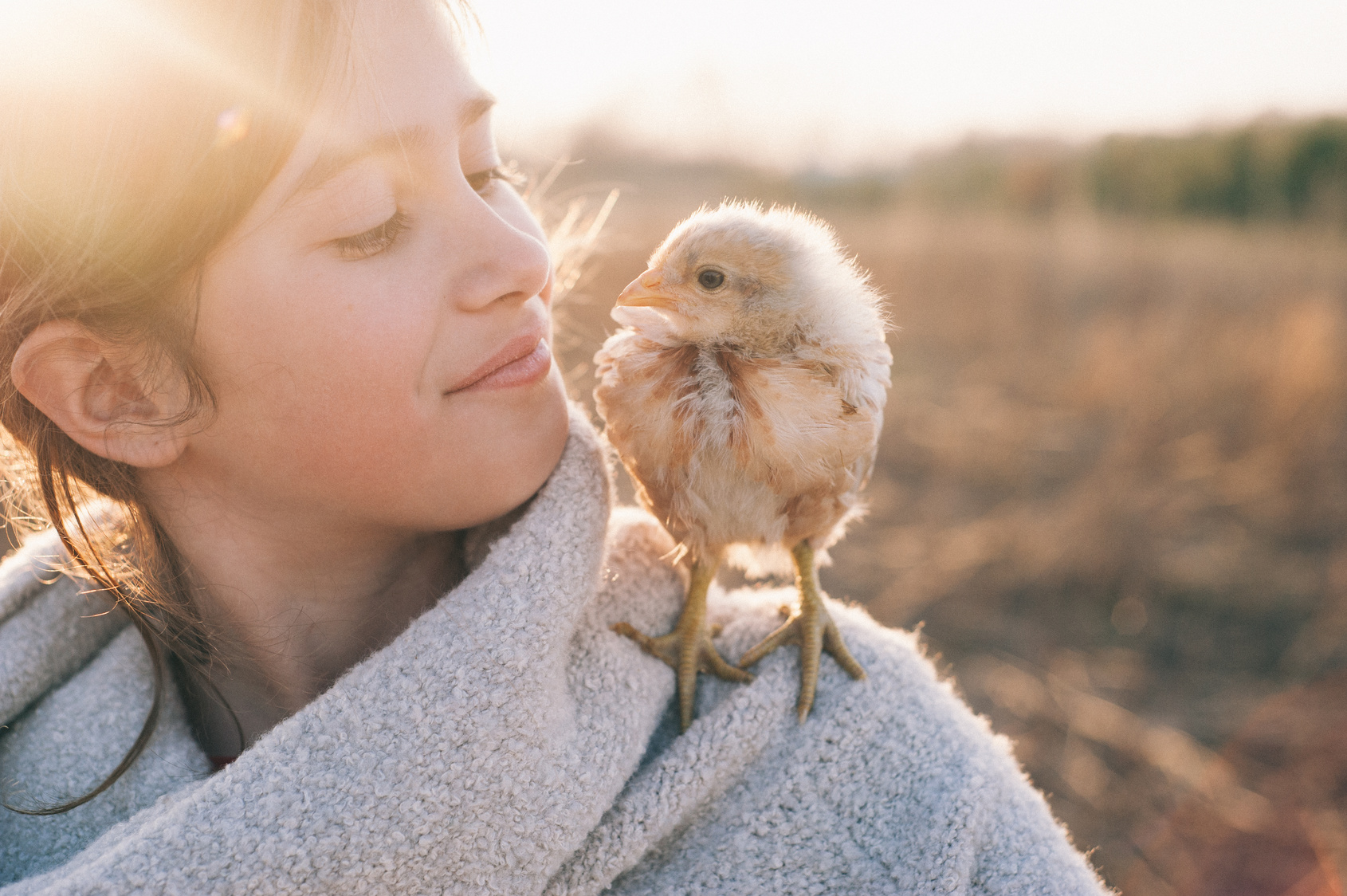
Bringing home baby chicks is one of the most exciting parts of starting a flock. In those first few weeks, your little ones need a warm brooder, clean bedding, fresh water, and a good quality chick starter feed. Keep the temperature around 95 degrees for the first week and lower it by about five degrees each week after that.
Handle your chicks gently and often so they grow up friendly and comfortable around people. Watch for signs of pasty butt in the first few days, keep their water clean, and make sure they always have access to food. By six to eight weeks, they will be ready to start spending time outside. If you have questions along the way, we are always happy to help.
Egg Handling
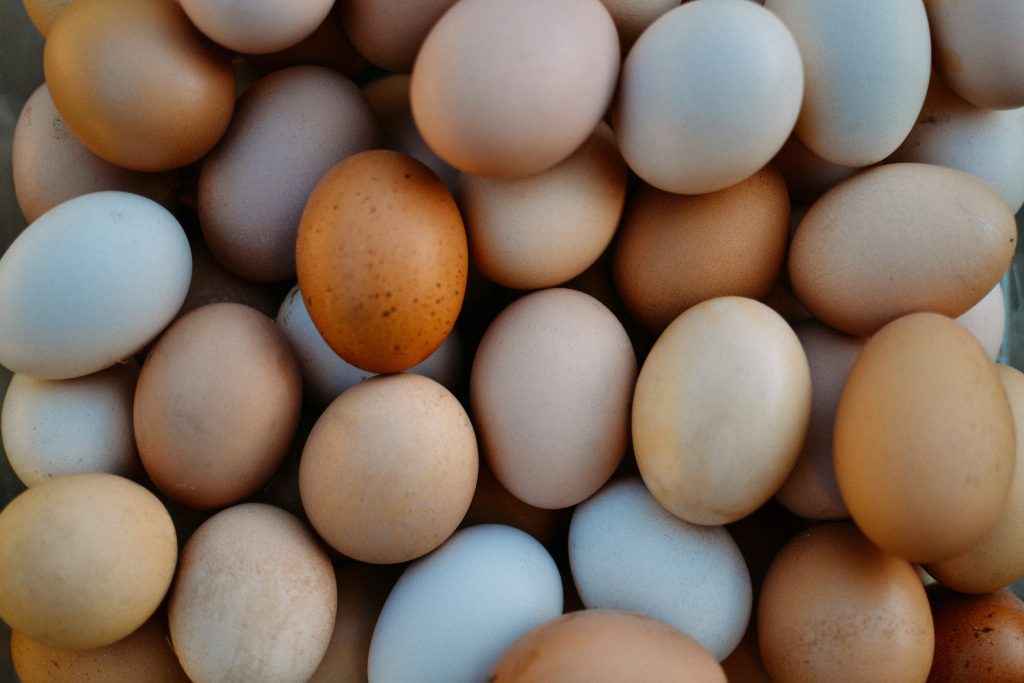
Farm-fresh eggs are a little different from what you find at the store. Our eggs are unwashed, which means they still have their natural protective coating called the bloom. This keeps bacteria out and means you can store them on the counter at room temperature for up to two weeks.
If you prefer to refrigerate them, they will last even longer, up to three months. If an egg is dirty, simply wipe it gently with a dry cloth. Once you wash an egg, be sure to refrigerate it right away. And if you are ever unsure about freshness, the float test works perfectly. Place the egg in a glass of water. If it sinks and lies flat, it is fresh. If it stands upright, use it soon. If it floats, it is time to let it go.
Backyard Flock 101
Thinking about raising your own chickens? It is one of the most rewarding things you can do. Start small with three to five hens. You will need a secure coop with good ventilation, a run or fenced area for daytime, nesting boxes, a feeder, and a waterer. Make sure your coop is predator-proof, because raccoons, foxes, and hawks are always around in Maine.
Choose breeds that suit your climate and your goals. If you want lots of eggs, consider Legbars or Rhode Island Reds. If you want friendly birds that are great with kids, Silkies and Orpingtons are wonderful. And if you want a beautiful egg basket, Olive Eggers and Ameraucanas lay gorgeous green and blue eggs. We love helping new flock owners get started, so do not hesitate to reach out with questions.
ChickID (AI Chick Identifier)
Upload a photo of your day-old chick to get a breed identification and sex estimate.
ChickID – AI Chick Identifier
Powered by AI — upload a photo of your day-old chick to get a breed identification and sex estimate